
The team
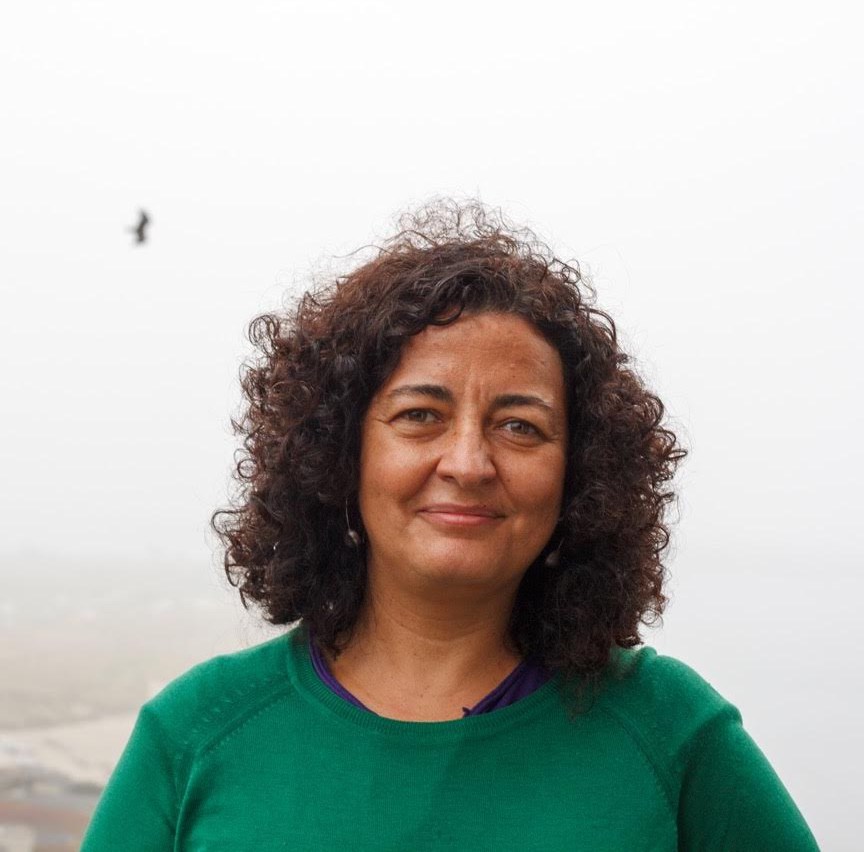
1 Isabel Reche
Isabel Reche is a full professor at the University of Granada. She has worked on numerous scientific topics, such as the influence of Saharan dust deposition on Alpine and Mediterranean aquatic ecosystems. The role of Saharan dust as a vector for the global dispersal of microorganisms. She has also contributed to several scientific expeditions to Antarctica and to the most emblematic oceanographic expedition of recent decades, the Malaspina 2010 circumnavigation, to provide knowledge about the nature and function of dissolved organic matter and exopolymeric particles in the global carbon cycle. She is an expert in the spectroscopic properties of dissolved organic matter, the assembly/fragmentation dynamics of exopolymeric particles, and their fate in the deep ocean. More recently, her research has focused on the microbial ecology and biogeochemistry of wetlands and reservoirs, particularly the climate-forcing effects of greenhouse gas emissions on these ecosystems and their links to extreme weather events.
Isabel Reche teaches Population and Community Ecology and Ecosystem Ecology in the Biology degree programme at the University of Granada. Her postgraduate teaching covers Global Change and Microbial Biogeography (Master’s Degree in Biodiversity Conservation, Management and Restoration) and Creativity, Integrity and Communication in Science (Doctoral School of Science, Technology and Engineering).
Google Scholar: https://scholar.google.es/citations?user=mEfmVgMAAAAJ&hl=es
OrcID: https://orcid.org/0000-0003-2908-1724
Personal Webpage: https://wpd.ugr.es/~ireche/
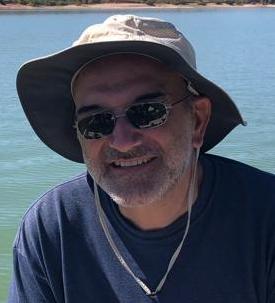
2 Francisco Rueda
Francisco Rueda performed Engineering studies at the University of Cordoba (1986-1992) and obtained Extraordinary Distinction (Technical School of Agricultural and Forest Engineering, University of Córdoba) and First National Distinction in Agricultural Engineering (1993 Spanish Ministry of Education and Science) awards in recognition for outstanding academic transcript. His MSc and PhD studies were funded by fellowships from the Spanish Ministry of Education and Science in U.S.A (May, 1995 – April, 1999), and from the University of California Toxic Substances Research and Teaching program (UCTSR&TP) (July 1999 – June 2001). He obtained MSc (2000) and PhD (2001) degrees in Civil and Environmental Engineering (University of California Davis). After that, he was a Postgraduate Research Engineer (Dept. Civil & Environmental Engineering, University of California, Davis, 2001), a Visiting Postdoctoral Research Associate, Univ. of Mississipi (Oxford, 2001), and a Postdoctoral Research Associate, School of Civil & Environmental Engineering (Cornell University, 2001-2003).
Since 2003 he is associated to the University of Granada, first as Research Associate within the Program «Ramón y Cajal» (2003-2007), and later as Assistant Professor (2007-2011), Associate Professor (2011-2017), and since 2017, as Full Professor in the Department of Civil Engineering. He teaches among others ‘Environmental Engineering for Water Quality’ in the Civil Engineering Program at the Univ. of Granada, «Hydrologic Processes» and «Water Quality Modelling» in the MSc Program on Technologies and Sciences for Water Quality (Univ. of Granada), or ‘Simulation and Analysis of Environmental Systems’ in the MSc Program on ‘Ingeniero de Caminos Canales y Puertos’.
He has served as an external reviewer for the University of California-Davis, in their internal contracting processes for research personnel. He is also a reviewer of research proposals for U.S. National Science Foundation, «Agencia Nacional de Evaluación y Prosprectiva» and «Fundación BBVA». In adittion, he is a member of the Editorial Committee of the journal LIMNÉTICA, sponsored by the Iberian Association for Limnology and indexed in the area of LIMNOLOGY in the JCR (2009-2016), and a member of the Management Committee of Lake and Reservoir Management Specialist Group del International Water Association (since 2010 a 2014). Since January 2015 until 2019, he acted as Associate Editor for LIMNOLOGY and OCEANOGRAPHY, of the Association for the Sciences of Limnology and Oceanography, a scientific journal that is ranked first in the area of LIMNOLOGY in JCR. He has chaired the Organizing Committee of the 10th International Workshop of Physical Processes in Natural Waters,Granada, June, 2006. He has also chaired the Organizing Committee of the 2nd IWA Symposium on Lake and Reservoir Management, celebrated in Granada (June 2011) and funded by «Ministerio de Ciencia e Innovación -Subprograma de Acciones Complementarias-Plan Nacional de I+D+i 2008-2011».
Since 2002, he as edited a book, and collaborated in 6 book chapters. He has authored more than 50 JCR research articles. He has participated in more than 80 research presentations in a wide range of scientific conferences. He has presented seminars and invited speeches in several institutions including Stanford University, United States Geological Survey, or the Swiss Federal Institute for Water Science and Technology EAWAG. He has participated in 24 research projects and contracts, in 14 of them as Principal Investigator PI. He collaborates actively with highly prestigious laboratories and institutions around the world, in the area of Environmental Fluid Mechanics (UCDavis, UC-Santa Barbara, Stanford & Cornell University, Virginia Tech). He has supervised 5 doctoral dissertations at the University of Granada, and served in the PhD Committee of three PhDs in the Universities of California-Davis, and Virginia Tech. He is one of the ‘guarantors’ for the area of Computational Hydraulics in the PhD program in Civil Engineering of the University of Granada. He has had five postdoctoral researchers and nearly 30 MSc students working under his supervision.
His research is on the field of physical limnology, and aims at understanding the role of transport and mixing processes in the biogeochemical behaviour of inland water bodies.
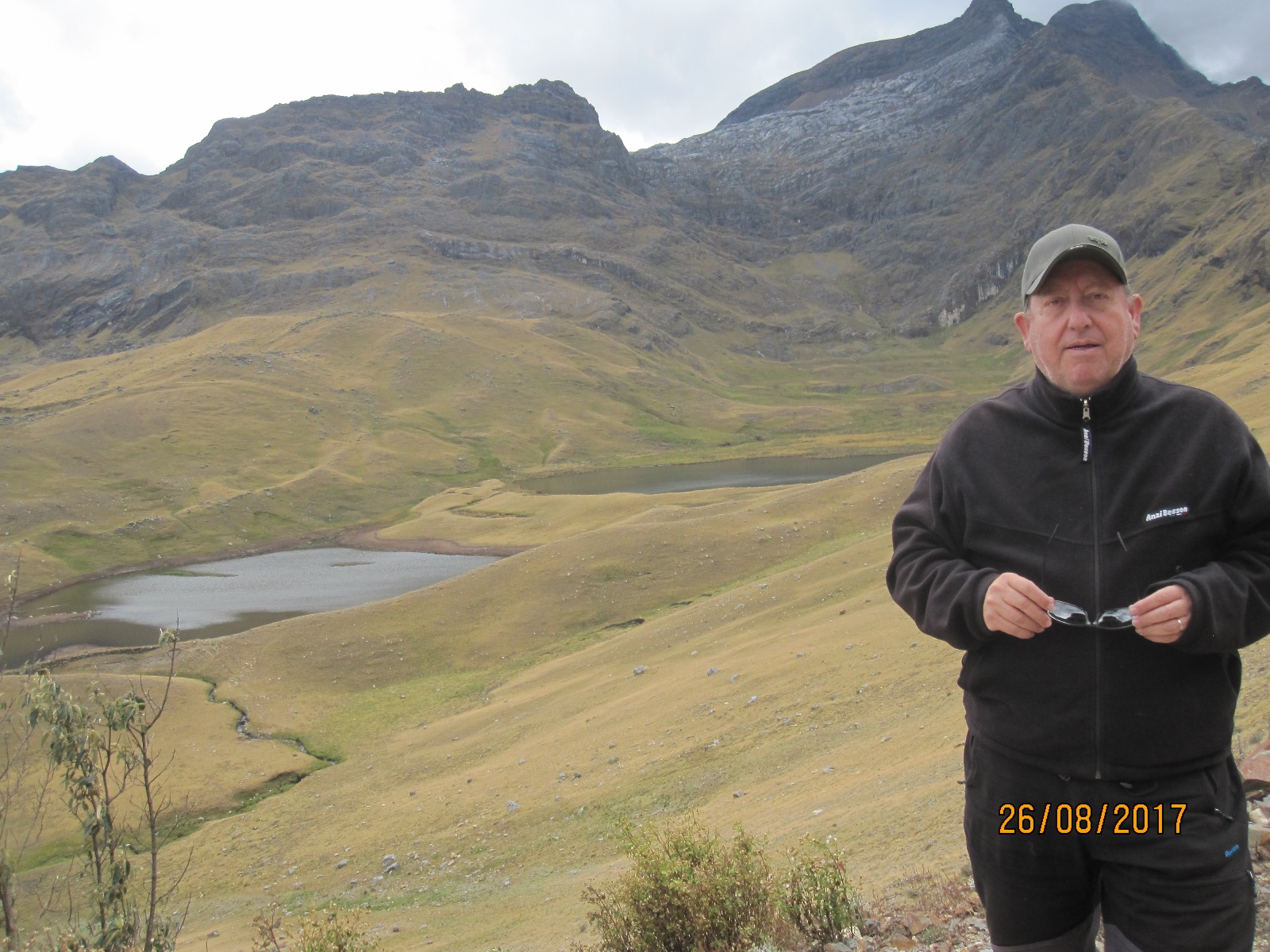
3 Rafael Morales-Baquero
Falta texto.
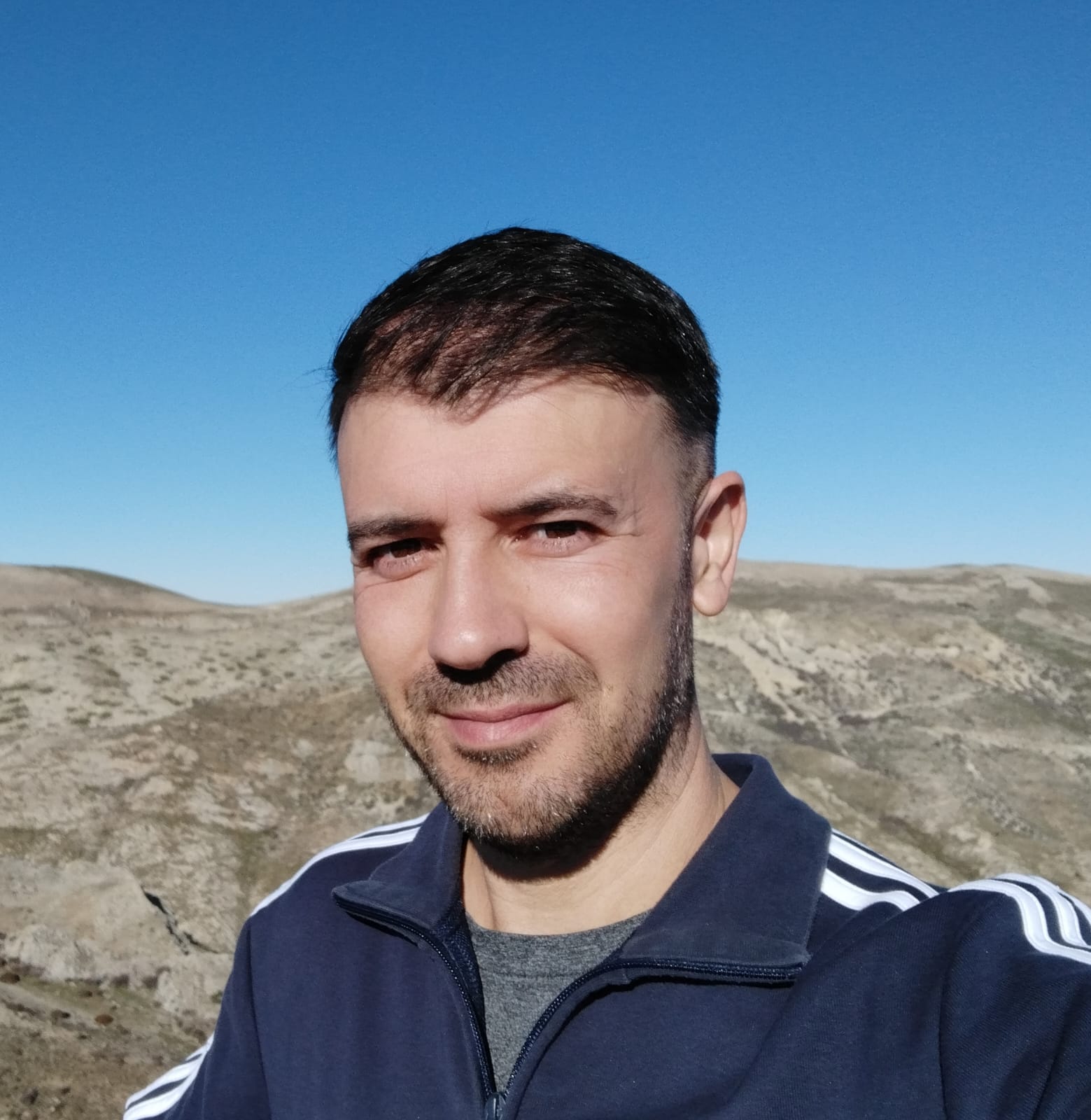
4 Félix Picazo
ORCID: 0000-0003-4586-6775
Scopus ID: 30767671200
Researcher ID: ABC-7776-2020
Google Scholar: https://scholar.google.es/citations?user=4RMEoAgAAAAJ&hl=es
web: https://ecomandanga.org/
email: fpicazo@ugr.es
5 Rodrigo J. Gonçalves
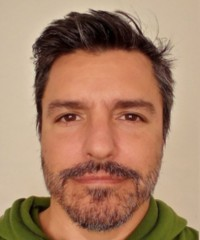
I love nature and I love science. So I am happy that I first studied biology, and I’m always
learning. Since my PhD in 2008, I’ve had (and still have) the good luck and fortune of
working with different researchers and groups in several countries, e.g. Denmark, Sweden,
China, Germany, Brazil, and Spain (my current, lovely home). Since 2022 I work at
University of Granada, at the Ecology Department, doing research and teaching.
I try to foster a constructive, creative, and peaceful environment, with opportunities for new
exciting ideas and collaborations: welcome to Ecosphere Lab.
Websites:
Plankton Science (outreach)
ORCID (research)
UGR (teaching)
GitHub (personal)
Other interests
Data Science and visualization, Science communication, History of Scienc
6 Ignacio Peralta-Maraver
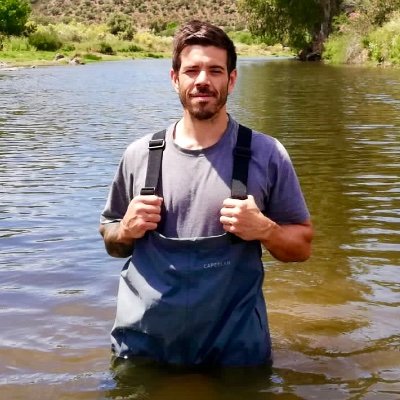
My research spans all levels of biological organization, from molecules to ecosystems, with a core focus on Global Change Biology through an interdisciplinary approach. What began as an investigation into the ecological processes within natural populations and communities has evolved into a broader exploration of how aquatic and terrestrial ectotherms confront Climate Change. This work now encompasses entire ecosystem dynamics, including critical processes such as carbon sequestration and greenhouse gas emissions. This progression reflects not only a deepening expertise but a holistic vision for tackling some of the most urgent ecological challenges of our time.
ORCID: 0000-0002-3467-7664
7 Cintia L. Ramón
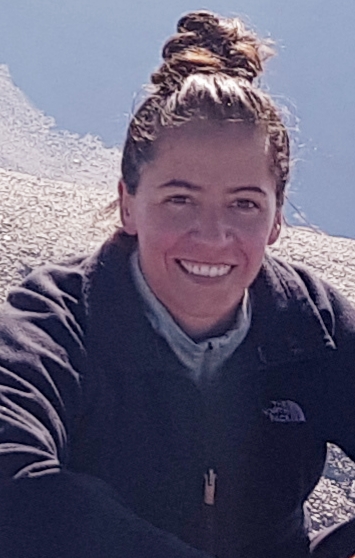
I graduated with a degree in Environmental Sciences from the University of Granada and earned my PhD in Earth Sciences in 2016 from the same institution. After a two-year postdoctoral position in an international project led by the University of Iceland, I took a postdoctoral role at Eawag—the Swiss Federal Institute of Aquatic Science and Technology—in 2018, where I worked until 2021. That year, I joined the Department of Civil Engineering at the University of Granada, contributing to an international project led by Cornell University (USA). Currently, I am the principal investigator of a project funded by the regional government of Andalusia. My research focuses on understanding hydrodynamic and mixing processes in rivers and lakes. I have gained extensive experience in three-dimensional hydrodynamic numerical models, covering processes from large-scale to small-scale. A particular emphasis of my work has been on studying transport and mixing driven by horizontal density gradients in lakes and rivers, contributing to the broader understanding of littoral-pelagic transport processes, river confluence dynamics, and lake-river interactions.
ORCID ID: 0000-0001-5422-9917
Research ID (Web of Science, Publons): AAA-8225-2022
Scopus Author ID: 55966780100
8 Inmaculada Alvarez-Manzaneda
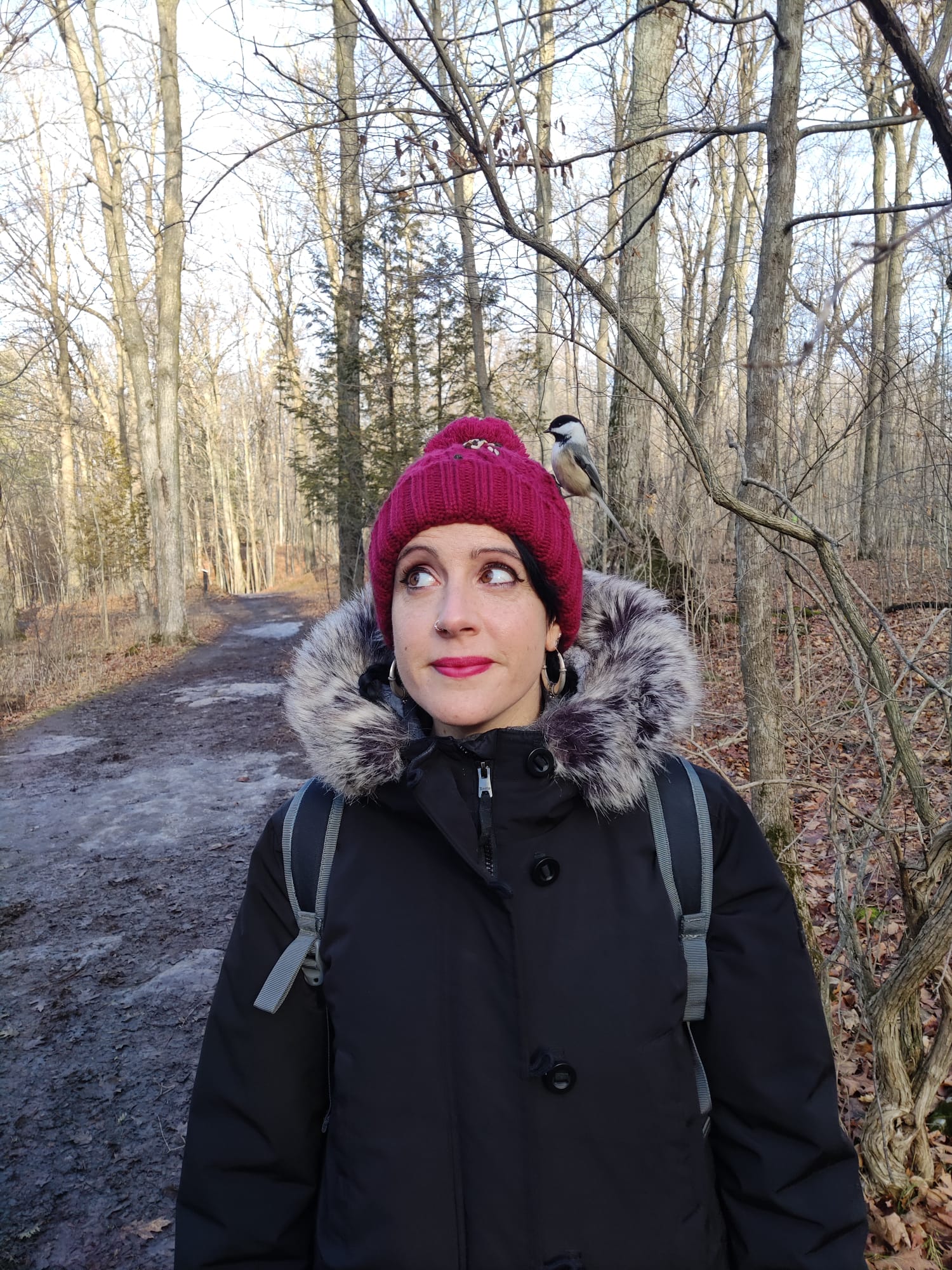
My PhD research was focused on the ecotoxicological assessment of different phosphorus adsorbents, their use in wastewaters and the assessment of recovered phosphorus from eutrophic waters as a fertilizer. This was a new line of research for the group and of great importance in circular economy to face two worldwide actual problems: the depletion of phosphorus reserves and the eutrophication of aquatic ecosystems. Currently, I am studying how past droughts affect bird populations dynamics by applying palaeoecological approaches. This research is expected to have a huge impact on conservation biology, by providing important information about the history of bird dynamics. In fact, I have been able to apply palaeoecological methods on bird nests for the first time ever, obtaining very promising results that will help in a better monitoring of bird populations.
https://orcid.org/0000-0001-9146-5070
https://ialvarezmanzaneda.weebly.com
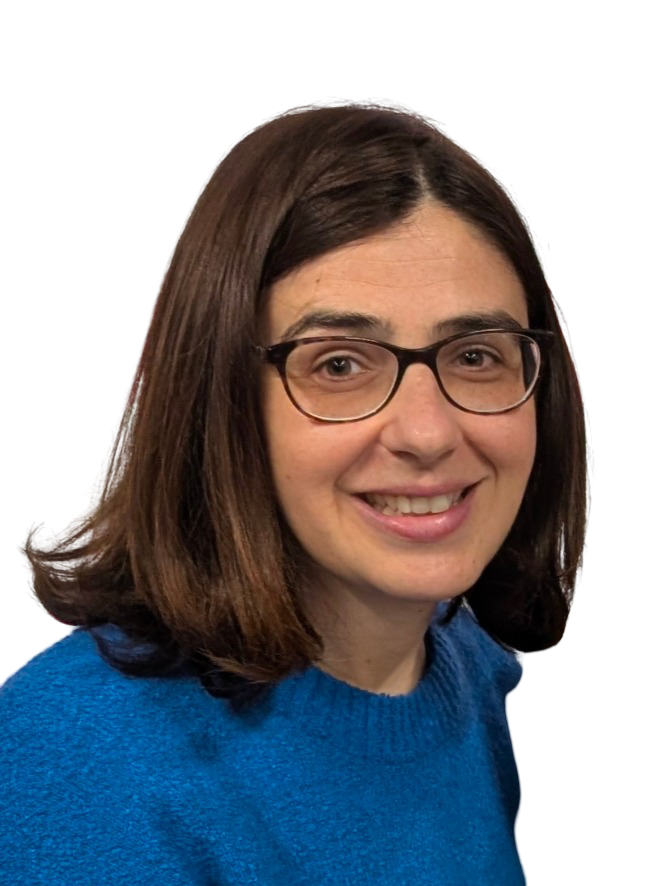
9 Alicia Cortés
Falta texto
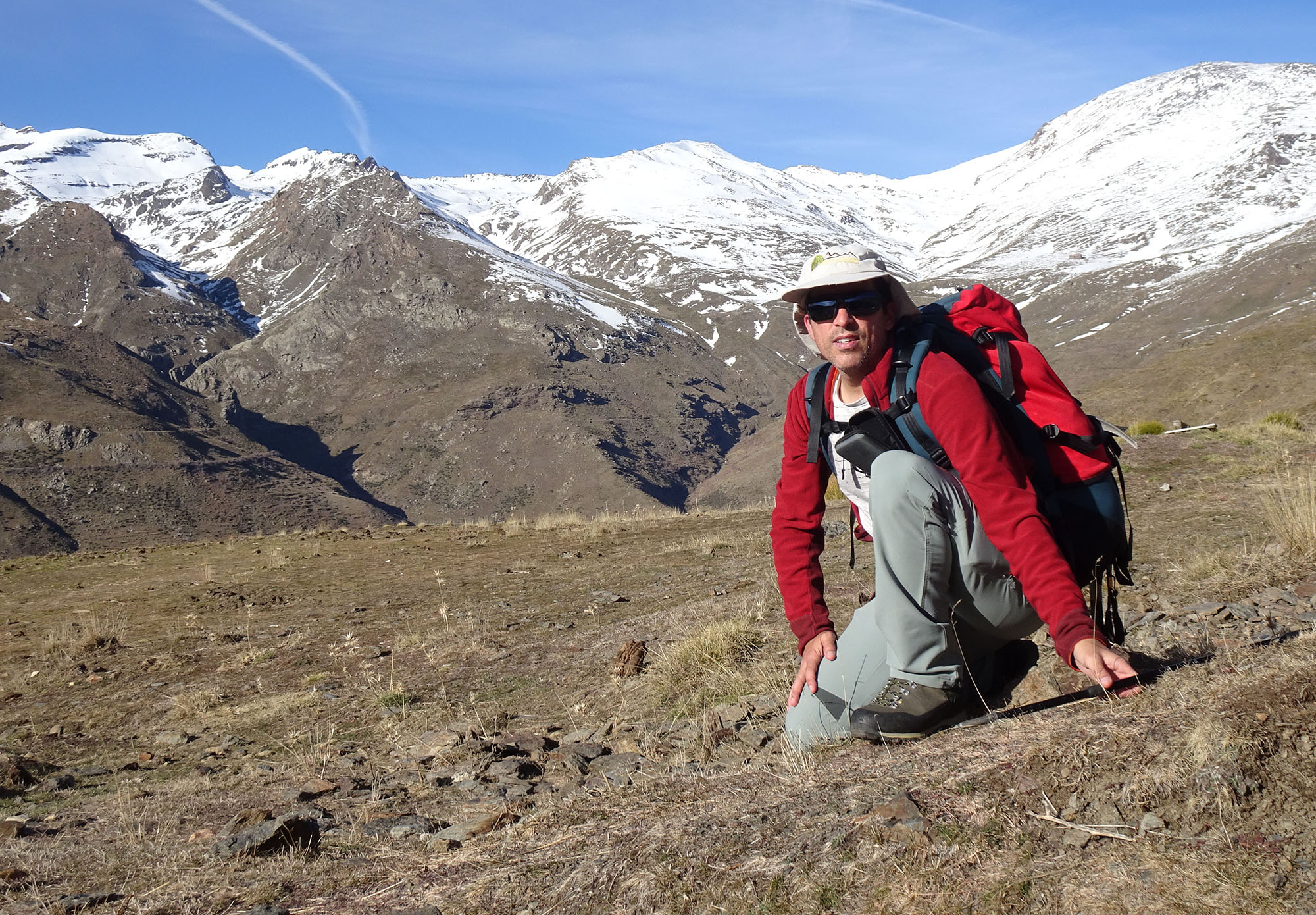
10 Javier Herrero
Soy Ingeniero de Caminos, Canales y Puertos por la Universidad de Cantabria (1997). Tras trabajar 2 años como programador/analista en el Departamento de Ingeniería Sanitaria de la UC, y otros 3 años hidrólogo y desarrollador de software para ingeniería en tres empresas privadas, realicé un doctorado en la Universidad de Granada (2003-2007) sobre el tema de la modelización de la nieve e hidrología en general. Posteriormente trabajé como investigador postdoctoral especializado en hidrología de la nieve y programación para las Universidades de Granada (2007-2017) y de Córdoba (2017-2021). Tras un paso por la empresa pública Tragsatec (2022-2023) desarrollando trabajos relacionados con modelado y medición de nieve para el programa ERHIN de la Dirección General de Agua del Ministerio, he vuelto a la Universidad de Granada como investigador postdoctoral (2023-…) para la unidad de Excelencia Modeling Nature, perteneciendo actualmente al Grupo de Investigación de Ecología Global (EcosphereLab) RNM125.
ORCID: 0000-0002-5741-6301
ScopusID: 26530587500
ResearcherID: K-6880-2014
Publons: publons.com/a/1197088/
email: herrero@ugr.es
www: http://www.ugr.es/~herrero
http://www.ugr.es/~herrero/nievesierranevada
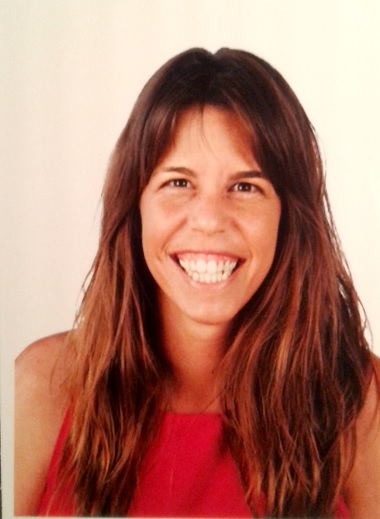
11 Sara Valiente
Sara holds a Bachelor’s degree in Marine Sciences, a Master’s in Oceanography, and a PhD in Marine Sciences. Her field of specialization is biogeochemistry, with a particular focus on the marine carbon and nitrogen cycles and their associated isotopic signals. She has extensive experience in both conducting and organizing oceanographic campaigns, as well as in laboratory work, including sample processing, data interpretation, and the preparation of scientific articles.
She also has a solid track record in science outreach aimed at both the scientific community and the general public. She has participated in national and international conferences, as well as in events such as the European Researchers’ Night. In addition, she is a member of the scientific committee of the Young Marine Researchers Conference (CEIMar) and of the outreach initiative Pint of Science in Granada.
Her work at the University of Granada focuses primarily on the scientific and technical operation of a research infrastructure: O-GEI/Cubillas (Observatory for the Continuous Monitoring and Interpretation of Greenhouse Gas Emissions in Mediterranean Reservoirs, Ref. EQC2019-005868-P). Her responsibilities include coordinating field sampling, maintaining instrumentation, and conducting sample collection and analysis.
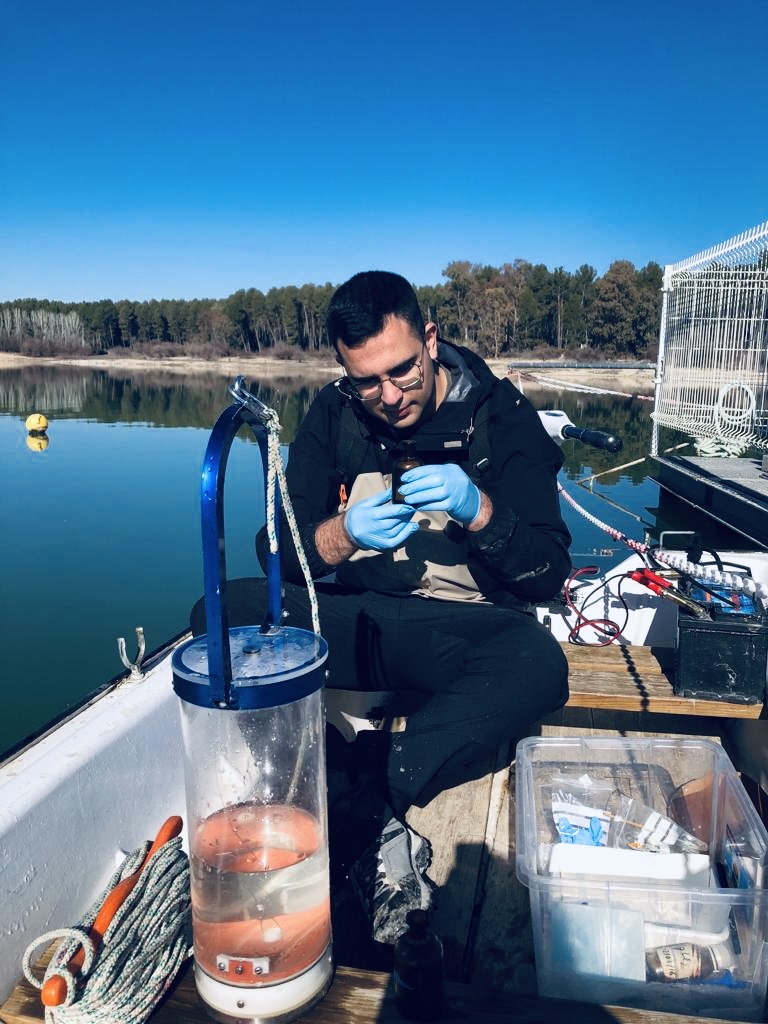
12 Andrés Martínez-García
My scientific studies include a BSc in Biology (University of Granada, 2016–2020) and an MSc in Conservation, Management, and Restoration of Biodiversity (University of Granada, 2021). At present, I am a PhD student in the Department of Ecology at the University of Granada. My study focuses on the carbon cycle dynamics in inland waters, specifically in reservoirs. My research investigates the processes and pathways by which carbon is stored and released from these systems. With a biogeochemical approach, I apply a combination of field sampling and laboratory techniques to quantify carbon fluxes and their temporal dynamics. Furthermore, I collaborate with paleolimnologists to quantify carbon cycle-related compounds from the water column and sediments.
13 Silke Martínez-Moreno
ORCID: 0000-0001-8936-0907
14 Miriam García-Alguacil
I started my degree in Environmental Sciences at the University of Jaén in 2014 and completed it in 2018, receiving the Extraordinary Degree Award. After that, I pursued a Master’s in Secondary and High School Education, Vocational Training, and Language Teaching with a specialization in Biology. The following year, I completed another Master’s, this time in Biotechnology and Biomedicine, both also at the University of Jaén. My inclusion in the University of Granada, specifically in the Department of Ecology, was made possible by obtaining a Garantía Juvenil contract for two years, which allowed me to collaborate on various tasks within the group. A few months before the end of this contract, I secured an FPU contract, and I am currently working on my PhD, focusing on the role of microbial diversity and metabolism in greenhouse gas emissions in reservoirs.
Número ORCID: 0009-0004-1691-2343
15 Sergio López-Padilla
I graduated in Biology from the University of Murcia (UMU) and later completed a master’s degree in Computational Biology at the Polytechnic University of Madrid (UPM). Both thesis projects allowed me to engage in research, focusing on biogeography during my undergraduate studies and climatology during my master’s, through a collaboration with the Complutense University of Madrid and CIEMAT.
After that, I worked for two years as a Research Technician under the Investigo program at the Institute for Game and Wildlife Research (IREC-CSIC) in Ciudad Real. My work there involved data harmonization, image and sound classification using artificial intelligence, and developing web applications to facilitate data collection and visualization for the ENETWILD project.
In May 2024, I joined the Ecosphere-Lab, where I began my PhD in Earth Sciences in the Department of Civil Engineering. My research focuses on using modeling tools to estimate historical greenhouse gas (GHG) emissions in Mediterranean reservoirs, supported by an FPI fellowship from the ANTICIPA project.
ORCID: 0000-0002-9663-4758
github: https://github.com/shevelp